
Resurrection
Grade: A-
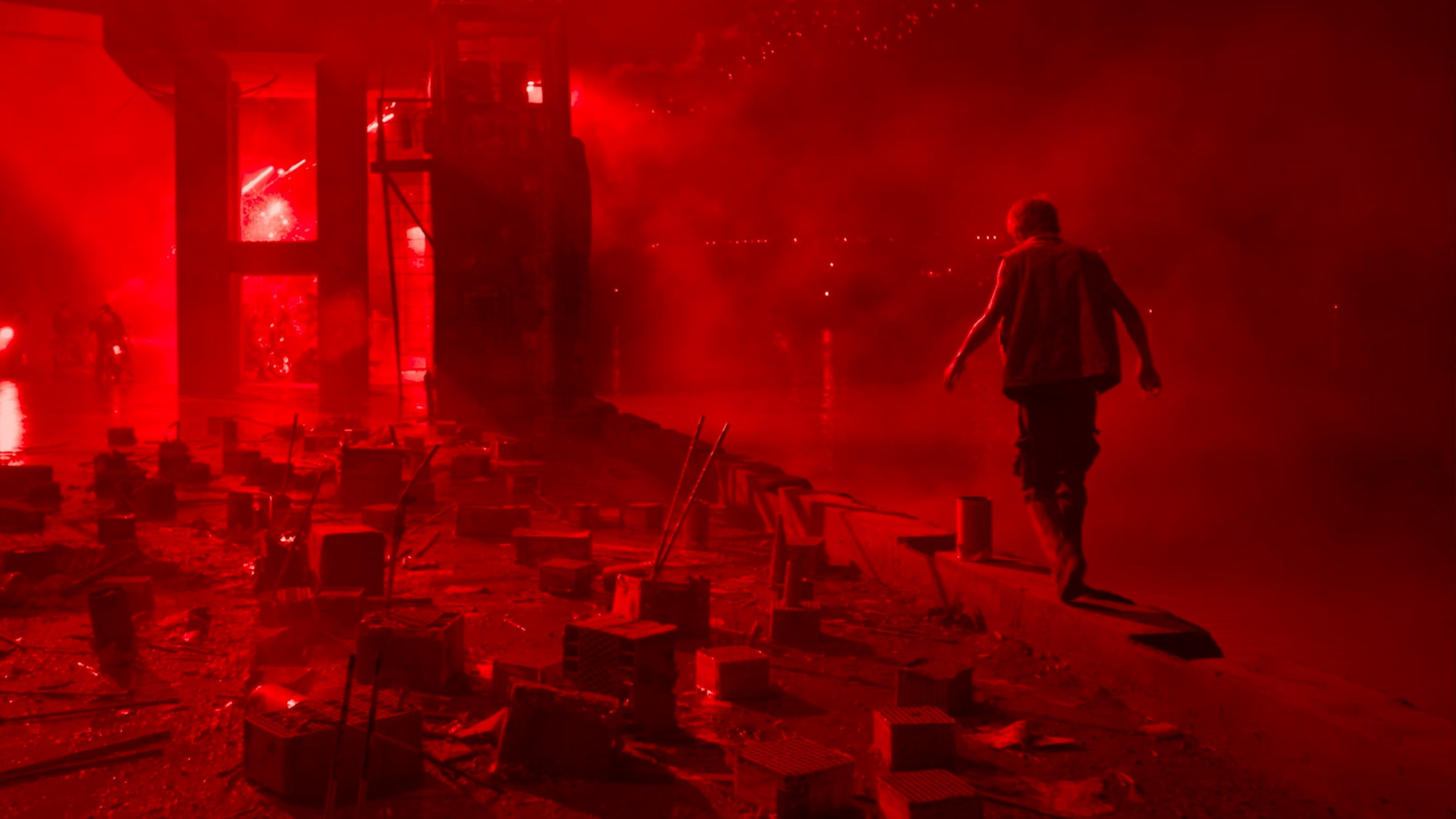
Resurrection, from visionary Chinese director Bi Gan, is one of the most beautiful films of the 2020s. Every frame is a work of art; every scene is like a poem. The colors, the camera movement, the cinematography, the ambient-classical soundtrack by M83 — Resurrection offers a unique sensory experience. Fitting for a film that posits dreams are more real than reality, and that the meaning of life can be traced through the history of cinema. When these heady philosophical themes are applied to such powerful imagery, I’m inclined to believe that Bi knows what he’s talking about. Even though Resurrection’s narrative, while not necessarily convoluted, is largely impenetrable, the mesmerizing visuals keeps us in a trance for the full 2 hours and 40 minutes.
I’ll try to explain what goes on in this film — Using a sci-fi framing device in which humans have become immortal by never dreaming, Resurrection loosely tells the tale of a “Deliriant” who escapes into fantasy despite the fact that it kills him. Fueled by opium flowers, he re-lives his past lives in various cinematic forms before dying. As interesting as the story sounds, Bi isn’t too concerned with lore or characterization. Instead, it’s just a springboard for his artistic flights of fancy, exploring different genres and time periods and paying homage to the masters that came before, from silent expressionism to film noir to turn-of-the-century showmanship, punctuated by a 30-minute unbroken tracking shot involving karaoke, vampires and mob bosses. Resurrection‘s vignettes are only loosely connected, à la Akira Kurosawa’s Dreams, with a metanarrative that operates entirely in metaphor: art as life; cinema as love; enlightenment as fragile as nitrate film stock. So much meaningful symbolism that all clarity becomes lost. But what a beautiful mess to get lost in.
Discover more from Colin's Review
Subscribe to get the latest posts sent to your email.