
Drive My Car
Grade: A
Long, slow and meditative, Ryusuke Hamiguchi’s mesmerizing Drive My Car is a quietly emotional tour de force that contemplates all the pains and tragedies of everyday life. One of the best Japanese films of the 2020s.
Directing:
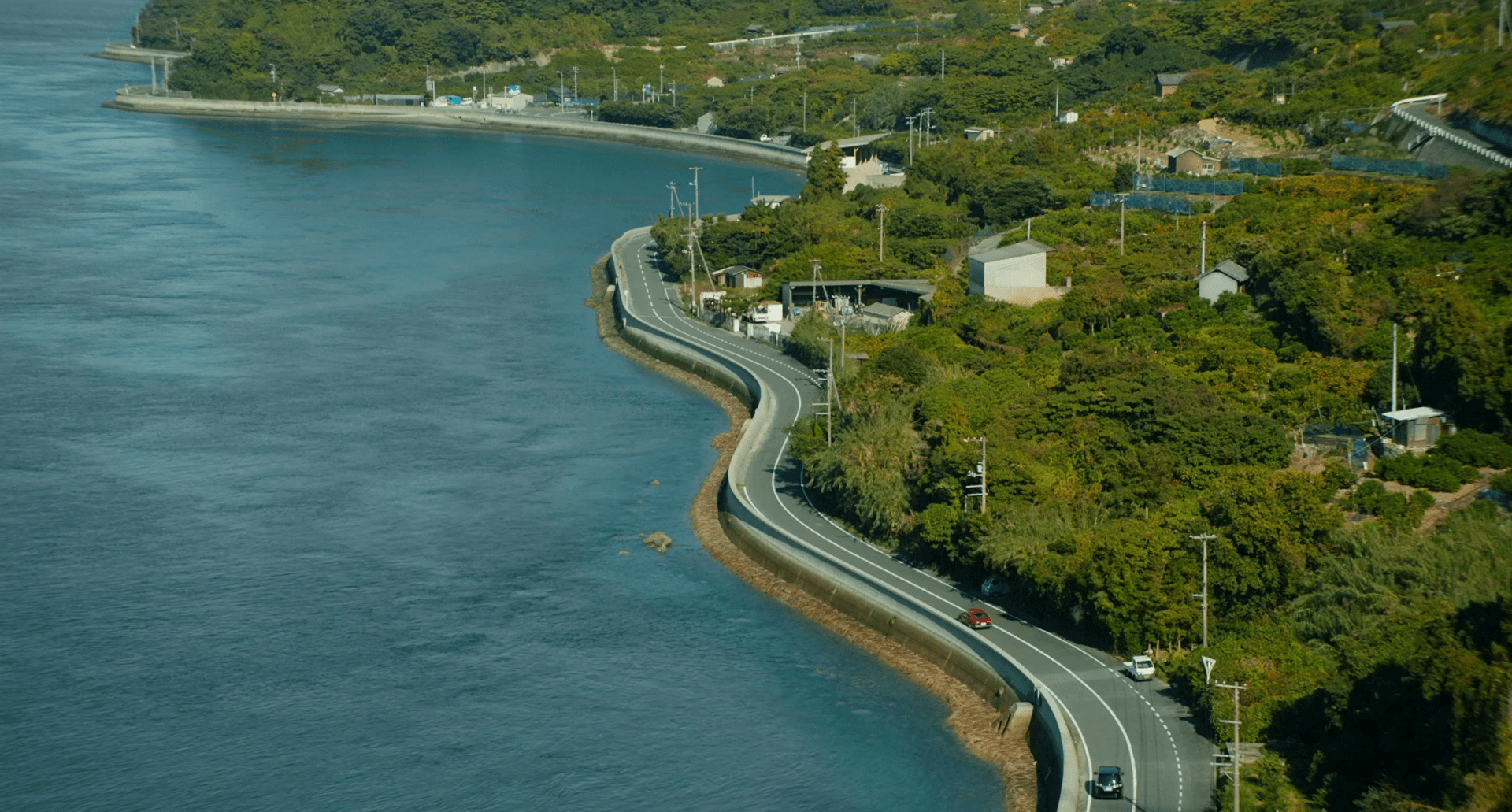
Offsetting the sad subject matter, or perhaps reinforcing it, the crystal-clear visuals from director Ryusuke Hamiguchi and cinematographer Hidetoshi Shinomiya are filled with serene natural beauty, finding graceful splendor in ultramodern urban sprawl, from Hiroshima’s concrete coastlines to Tokyo’s symmetrical streets, each image powerfully resonant.
Acting:
Led by a reserved yet vulnerable Hidetoshi Nishijima in the lead role, as a theatre director mounting a multilingual production of Anton Chekhov’s Uncle Vanya two years after his adulterous wife’s sudden death, Drive My Car features tremendous contributions from every international cast member, proving that raw honesty is a universal tongue. Case in point: actress Park Yu-rim delivers the film’s (and play’s) stirring climax in Korean Sign Language.
Writing:
Drive My Car is a very slow, subtle and reflective film, but it is never boring, growing more intimate and evocative as it goes on, with plenty of quiet emotional introspection throughout its three-hour runtime. Sad and painful, yet life-affirming and cathartic for patient viewers.
Music:
Although used sparingly, Eiko Ishibashi’s music (featuring partner Jim O’Rourke on guitar) is masterful, an atmospheric combo of ambient jazz, minimal classical and opaque electroacoustics, filled with restraint and emotional ambiguity, sealed and secured from its surroundings, like a red Saab 900 Turbo, driving away. It’s some of the best movie music of the 2020s — seek out the soundtrack LP.
Ending (SPOILERS):
Drive My Car’s “movie-about-a-play-reflecting-the-movie” narrative comes to a therapeutic conclusion when Yūsuke (Nishijima) finally overcomes his lifelong grief by performing the role of Uncle Vanya, the part that was originally too painful for him to play, discovering himself in Chekhov’s art and thus making it his own. Fittingly, a mute Yoo-na as Sonya (Yu-rim) is the one who says the words he needs to hear most — a terrific scene told through expressive, honest sign language.
After such a searching, introspective film, it’s heartening to know that Yūsuke can finally rest, and it’s even more uplifting to see driver Misaki begin a new, happier life in the film’s coda, also putting her traumatic past behind her. Peaceful, tender, sweet as a caress.
“Chekhov is terrifying. When you say his lines, it drags out the real you. Don’t you feel it? I can’t bear that anymore. Which means I can no longer yield myself up to this role.” — Yūsuke Kafuku
Why Drive My Car gets an A
Sad, slow, tender, understated drama — as great as Ozu’s Floating Weeds (1959) and Yang’s Yi Yi (2000).
Discover more from Colin's Review
Subscribe to get the latest posts sent to your email.