
The Devil Wears Prada
Grade: B
The Devil Wears Prada is a stylish and entertaining comedy-drama about the high-pressure inner workings of a fashion magazine, with hollow and convenient messaging that celebrates rather than critiques the industries it wants to satirize.
Directing:
This is a pretty film, with pretty people, expensive outfits and clichéd yet comforting montages — director David Frankel (in his first film since Miami Rhapsody in 1995) does a good job envisioning Manhattan through the wide eyes of an aspiring career girl.
Acting:
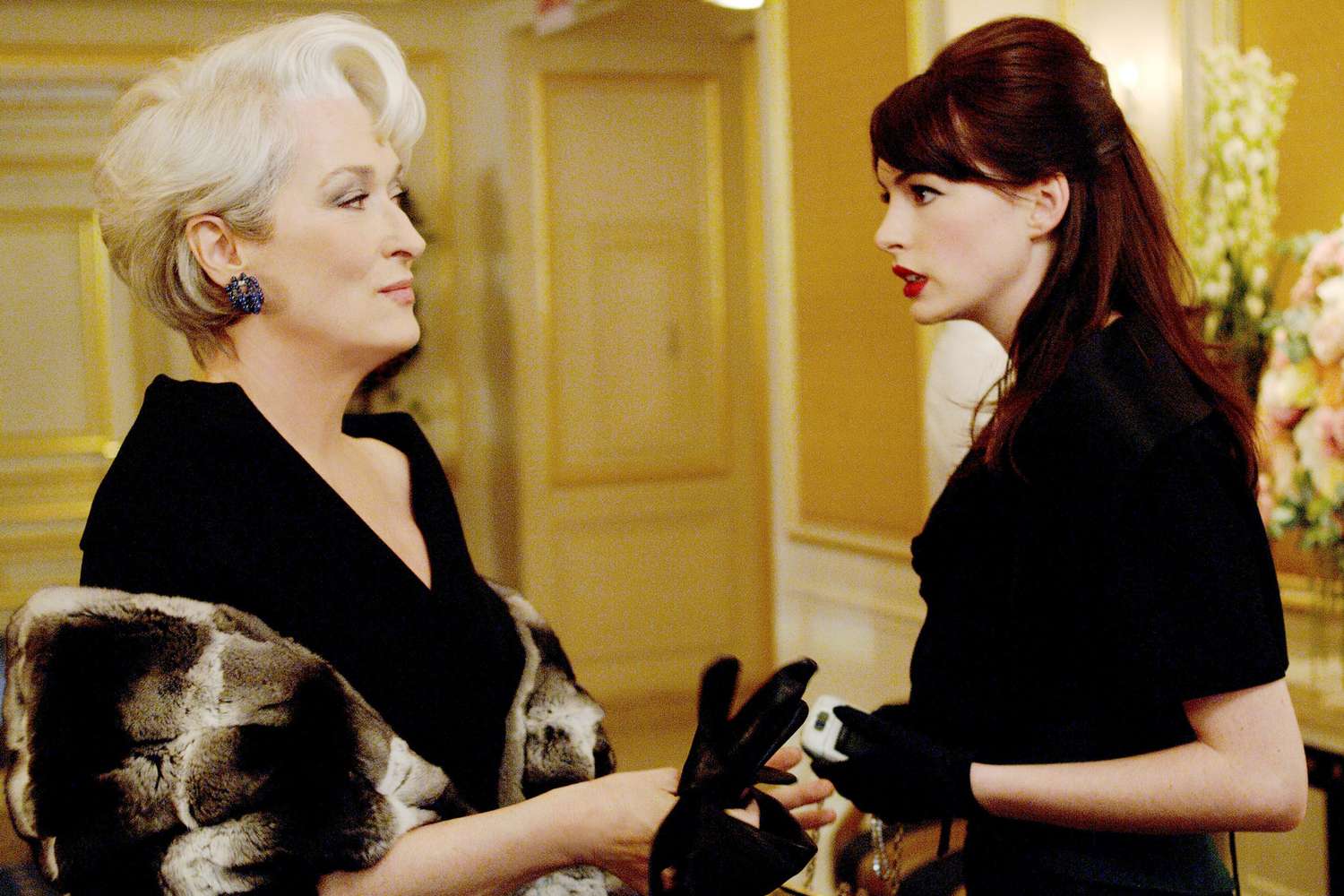
Meryl Streep knocks it out of the park as Runway editor-in-chief Miranda Priestly, a cunning, cunty, Anna Wintour-esque softspoken dominatrix who commands every scene she’s in (the same kind of imposing performance she’ll deliver in Doubt). On the other hand, Anne Hathaway is miscast as assistant-to-the-assistant Andy Sachs, an “ugly,” “overweight,” anti-fashion, idealistic journo who fails upward in increasingly cringey ways.
Writing:
Based on the best-selling novel by Lauren Weisberger, a roman à clef that offers insider info on Vogue’s apparently totalitarian work environment, the movie adaptation of The Devil Wears Prada (screenplay written by Aline Brosh McKenna) imparts conflicting moral messages: the film takes a stand only when convenient, condemning the soulless corporate evils of the fashion industry while at the same time empowering Andy as a woman who finds self-fulfillment via her demanding fashion industry job.
Music:
The pop-rock-jazz score by composer Theodore Shapiro fits the peppy vibe of so many 2000s-era rom-coms that take place at magazines/agencies/offices, but the real treat here is the brilliant Paris montage set to U2’s “City of Blinding Lights,” which is a show-stopping anthem of millennial optimism — one of the film’s best scenes.
Ending (SPOILERS):
Andy starts the movie as a self-righteous do-gooder who hates fashion (kinda weird to apply to a job just so you can stick it to them, right?), changes into a confident and committed career girl who excels at and is passionate about her work, and ends up changing so much by the end that she quits Runway and returns to her roots as a principled journalist at a respectable newspaper (to the delight of her jealous friends and mopey boyfriend). Net character growth: zero.
“I’m sorry, do you have some prior commitment? Some hideous skirt convention you have to go to?” — Miranda Priestly
Why The Devil Wears Prada gets a B
Flawed yet comforting drama with a touch of rom-com, like Witherspoon’s Legally Blonde (2001) and Streep’s own It’s Complicated (2009).
Discover more from Colin's Review
Subscribe to get the latest posts sent to your email.