
Mystery of the Wax Museum
Grade: C+
Filmed in two-color Technicolor, which adds an eerie expressionist glow to an otherwise trite horror thriller, Mystery of the Wax Museum is a now-dated half-forgotten Pre-Code movie that is overshadowed by the much scarier and more affecting adaptation 20 years later. It is a curious anomaly directed by Casablanca-filmmaker Michael Curtiz — nothing more, nothing less.
Directing:
The Vincent Price version of House of Wax, released in 1953 and directed by Andre de Toth, is the definitive edition of this horror story, but that doesn’t mean the original isn’t without merit. Fans of Michael Curtiz will want to seek out this brief foray into the macabre. With canted angles influenced by German Expressionism and grotesque set design inspired by Lon Chaney’s The Phantom of the Opera (1925), Curtiz adds a distinct visual style to an otherwise weak melodrama.
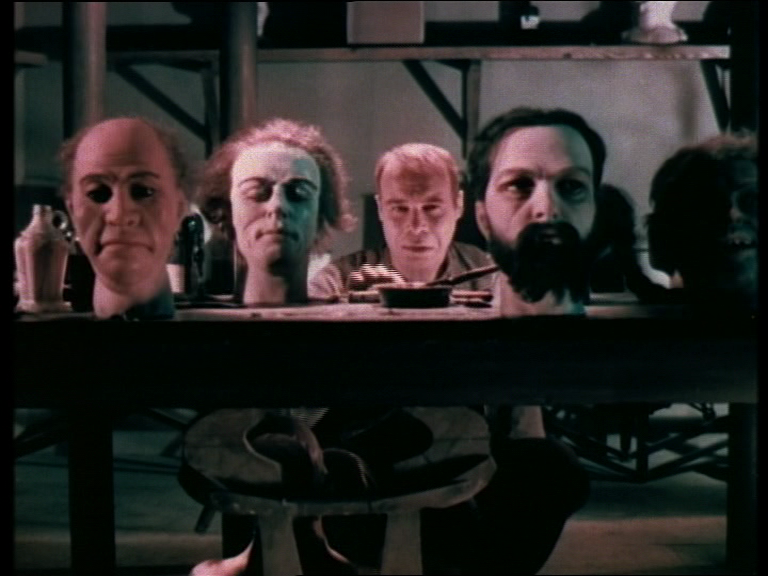
Likewise, the two-color Technicolor imagery turns everything slightly surreal, with a one-of-a-kind hazy quality that is rare to see. I also admire the fact that some of the wax works are clearly portrayed by human extras, adding a subtle ambiguity to the straightforward plot. Call Curtiz an auteur if you wish.
Acting:
Fay Wray (who also starred in King Kong in 1933) might as well be the first ever Hollywood scream queen. Her fear during the horror scenes is palpable, and her spitfire attitude during the screwball scenes shows her range. The rest of the cast, however, is largely forgettable: Lionel Atwill makes Vincent Price look like Daniel Day-Lewis when comparing the portrayals of the psycho sculptors.
Writing:
There are several sequences in House of Wax that are lifted directly from Mystery of the Wax Museum, including the opening waxworks fire and ensuing fight, the scene at the morgue (and the cheeky joke: “Ain’t that just like a woman? Always gotta have the last word”) and the grand finale in the laboratory. Credit to Curtiz and co. for providing the blueprint.
The main difference in storyline, other than how much more expansive the ’53 version is in terms of characterization, is that Mystery of the Wax Museum is played as, well, a mystery. And not a very good one, at that: it’s obvious that Ivan Igor (Atwill) is the deformed monster terrorizing the town, which takes away all the tension from Charlotte Duncan’s (Wray) and Florence Dempsey’s (Glenda Farrell) investigation.
Overall, the storyline is boring; a standard ‘30s throwaway. The misogynistic screwball elements have lost their humor over the last 90 years, the horror elements are too few and far between, and the ’53 adaptation is so vastly superior as to make Mystery nothing more than a completionist’s curiosity.
Music:
Like many films of the early ‘30s, Mystery of the Wax Museum doesn’t feature music too heavily. There’s a stock soundtrack over the opening credits and a few diegetic songs during the film, but that’s mostly it. The movie would’ve benefitted from a proper score, especially one that matches the strange, spooky imagery. Another thing House of Wax improves upon.
Ending (SPOILERS):
As expected, the madman Dr. Igor falls victim to his own creative process, tumbling into a vat of molten wax before the authorities can apprehend him — a tried-and-true yet timeless horror villain trope. But the film’s epilogue, in which Florence agrees to marry her sexist boss at the newspaper, is terrible storytelling no matter the time period. A monster movie with more groans than scares.
“I’m gonna make you eat dirt, you soap bubble.” — Florence Dempsey
Why Mystery of the Wax Museum gets a C+
Flimsy, flawed and forgettable (with a little bit of dumb fun thrown in for good measure) like Cronenberg’s Scanners (1979) or Stephen King’s Sleepwalkers (1992).
Discover more from Colin's Review
Subscribe to get the latest posts sent to your email.