
West Side Story
Grade: A
Yes, the finger-snapping street gangs are cheesy and dated by today’s standards. But, hey, the same was true back in 1961 — the Sharks and Jets are less Rebel Without a Cause and The Wild One, more Carousel and the Ziegfeld Follies. Also true: West Side Story‘s social commentary is rather broad, basic and obvious, delving no deeper in its class-conscious messaging than “When will you kids ever learn?” and “Why can’t everyone just get along?” Despite all this, nevertheless, West Side Story remains an enduring movie-musical classic because of the two things it absolutely aces: an impressive visual style and terrific songs.
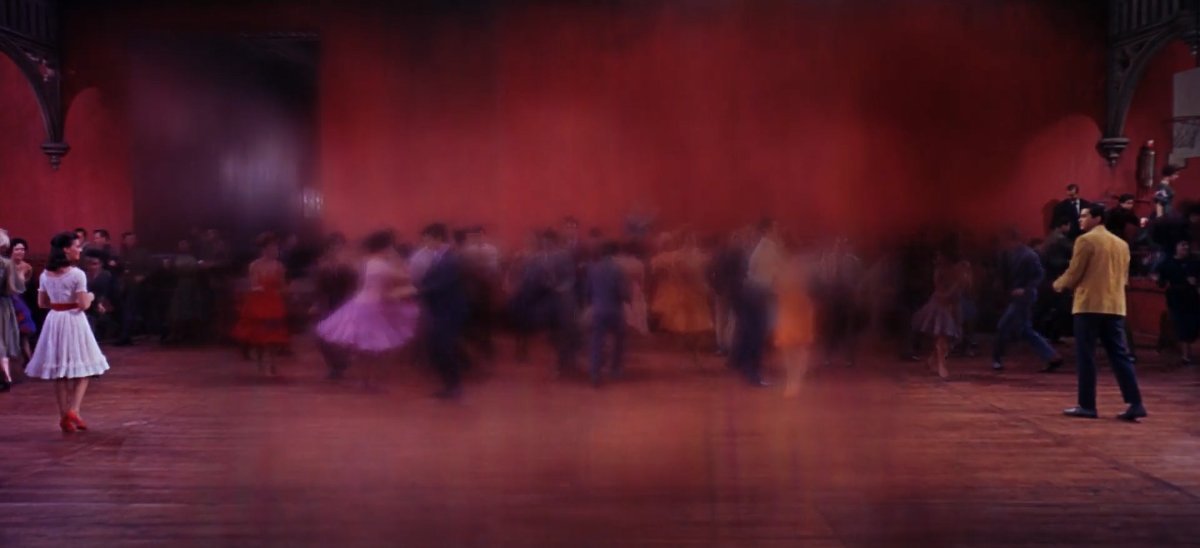
The latter is obvious, with Leonard Bernstein’s classical melodies and Stephen Sondheim’s clever lyrics (particularly in “Something’s Coming” and “Tonight”) fully evoking all the grand emotion expected of a contemporized Romeo and Juliet. Many of the songs are operatic; Shakespearian, even (nevermind that Natalie Wood, Rita Moreno and Russ Tamblyn are the only capable actors). Yet even more so than the songs, the visual style is what truly separates West Side Story from other Hollywood musicals of the era. Director Robert Wise (and fired choreographer/co-director Jerome Robbins) is very artistic with his adaptation: creative camera movement, colorful set design and athletic dance captures a modern NYC in a way the old-fashioned dialogue simply can’t. In West Side Story, the mise en scène dictates the drama — legitimizing the film’s ambitions and epic scale. With a cinematic atmosphere so damn immersive, corny street gangs become an afterthought.
Discover more from Colin's Review
Subscribe to get the latest posts sent to your email.