
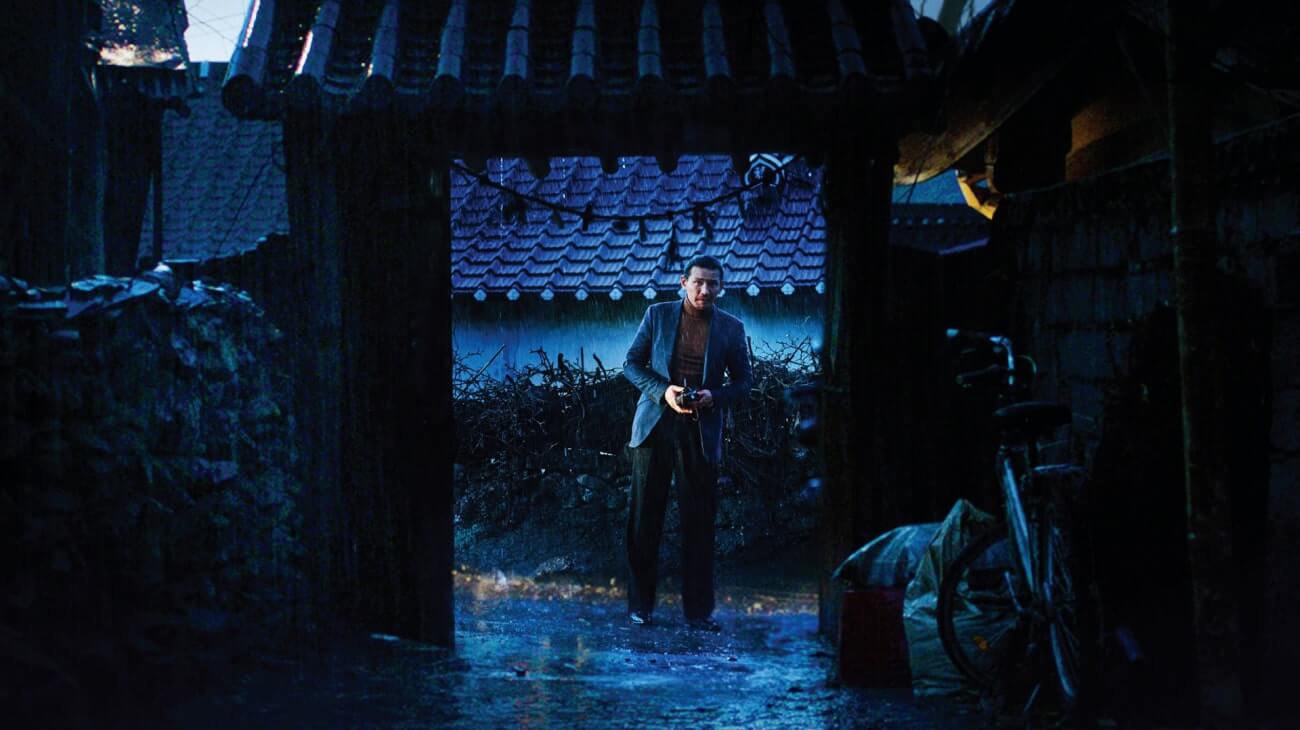
The Wailing
Grade: A-
The Wailing is a South Korean horror film that packs as much paranormal as possible — ghosts, zombies, vampires, exorcisms, the freakin’ Devil himself — into its nearly three-hour runtime, making for a truly epic and immersive experience that justifies its extended length (156 minutes).
Directing:
There are a few conventional jump scares and gross-outs in The Wailing but for the most part writer/director Na Hong-jin employs a slow, brooding, atmospheric aesthetic, building dread via artful juxtaposition: for example, the scenic natural beauty of Korea’s ancient forests and mountains as the setting for harrowing shamanistic rituals and cannibalistic, supernatural happenings.
Acting:
Another artful juxtaposition: The Wailing’s knack for combining black comedy (actor Kwak Do-won as a bumbling police officer who does nothing right and pretty much fucks everything up, who nevertheless earns our sympathy because his exasperation in the face of demonic encounters is so funny and true to life) with intense horror (actress Kim Hwan-hee, who plays the officer’s possessed 12-year-old daughter, who makes palpable the terror that he can’t possibly comprehend).
Writing:
The Wailing’s intricate plot is what sets it apart from your average horror flick; a multi-layered investigation with many twists and turns; police procedural, family drama, ghost story, zombie thriller, religious parable; so effective in its execution that we are invested in every subplot; all unfolding and unwinding and coming back together in a fulfilling signified whole.
Music:
The Wailing is a quiet film, with atmospheric music that amplifies tension, with the exception being one pivotal scene: the ear-splitting shaman ritual, with its banging percussion and wailing (!) voices; an authentic auditory and visual depiction of tribal blood magic.
Ending (SPOILERS):
I’ll admit, I was a little confused as to The Wailing’s internal mythology — not the matter of the Shaman actually being evil or the Lady in White actually being good, but rather the why and the what: why are the photographs important; what is Jong-goo’s sin; why does Choon-bae matter; what does Satan have to do with it (great, terrifying final image to end on, though); etcetera.
Credit to Hong-jin for crafting a compelling story that commands closer analysis and encourages attentive viewing and raises thought-provoking theological questions, but the final act’s emphasis on these twists and puzzles makes The Wailing seem like a movie meant to be “solved” when perhaps it shouldn’t, especially when the film’s early magic stems mostly from its plotless ambiguities and raw terror rather than its complicated lore.
“He’s just fishing. Not even he knows what he’ll catch.” — Il-Gwang
Why The Wailing gets an A-
Epic art-horror film worth pondering and revisiting, like Aster’s Hereditary (2018) and Eggers’ The Lighthouse (2019).
Discover more from Colin's Review
Subscribe to get the latest posts sent to your email.