
Swing Time
Grade: A-
Perhaps the best of the Fred Astaire–Ginger Rogers musicals, Swing Time is cinematic comfort food: catchy tunes, mesmerizing dance sequences and a tried-and-true romcom formula that never takes itself too seriously — one of the most charming films of the 1930s.
Directing:
George Stevens, future two-time Academy Award winner for A Place in the Sun (1951) and Giant (1956), is probably the most talented director to ever helm an Astaire-Rogers collaboration. Fitting, then, that Swing Time is the prettiest film of their partnership, with plenty of iconic images that have resonated throughout cinematic history.
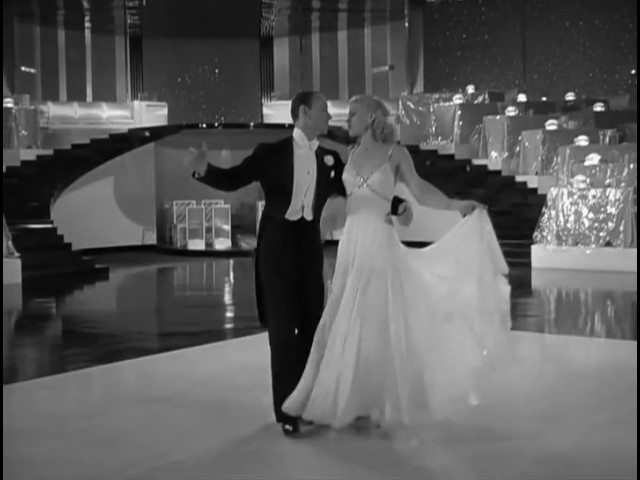
The snow globe setting of “A Fine Romance”; the seven-minute Bojangles shadow routine; the tragic, poignant, climactic “Never Gonna Dance” — Stevens adds a touch of style that elevates and enhances Astaire’s career-best performance. I love the Art Deco interiors and the unbroken crane shots, both of which give Swing Time a distinct mise en scène not found in other Astaire-Rogers movies. The aesthetic just looks so perfect in that old-school black and white.
Acting:
As mentioned, Astaire is at his very best: he plays the charming gambler—Lucky Garnett—with gleeful ease, but it’s his dancing we desire, and the elaborate choreography Astaire delivers in Swing Time is his most skillful and accomplished. As always, Rogers is there to match him step for step, but this time her acting deserves extra special praise as well. She absolutely nails her character’s emotional beats, even if they are clichéd.
Writing:
Perhaps the most important thing to understand about Swing Time is that the storyline is completely inessential. After all, this is already Astaire and Rogers’ sixth cinematic collaboration, and the formula—meet by accident, fall in love, almost part ways, live happily ever after—had already been well established by this point. Which is why everyone involved decides to have fun with it: the narrative is played mostly for laughs…laughs which have grown a little bit dated but remain pleasant enough. (Astaire donning blackface is another dated aspect, even if it was intended as an unfortunate homage to John W. Bubbles.)
Music:
Let’s be honest: the only thing we really want to see are the musical numbers. The screenplay does a decent job tying them together, but the song-and-dance routines tell the story in far fewer words and with much more emotional impact. Composer Jerome Kern and lyricist Dorothy Fields deliver several catchy songs, including “The Way You Look Tonight,” and the combo of Astaire and Rogers perform each with an artfulness that transcends the film’s silliness.
Ending (SPOILERS):
The true climax of Swing Time is the dramatic closing dance number, “Never Gonna Dance,” in which Astaire and Rogers express their emotions for each other via a dreamlike, two-tiered, lovelorn ballad. It actually feels like the end of their affair — such seriousness takes us by surprise.
Of course, Swing Time needs to manufacture a romantic ending in which Astaire and Rogers live happily ever after, and so an illogical joke about cuffless pants saves the day and leaves everyone in stitches. It doesn’t make sense because it ain’t supposed to…who cares about plot in a musical anyway? The final five minutes are unfortunately unnecessary.
“We should be like a couple of hot tomatoes/But you’re as cold as yesterday’s mashed potatoes.” — Penelope “Penny” Carrol
Why Swing Time gets an A-
In Swing Time, the narrative is nonsensical, but the greatness of the musical numbers renders the narrative inessential anyway. It is a fun, fine film — a blissful piece of Old Hollywood entertainment.
Discover more from Colin's Review
Subscribe to get the latest posts sent to your email.