
Come and See
Grade: A
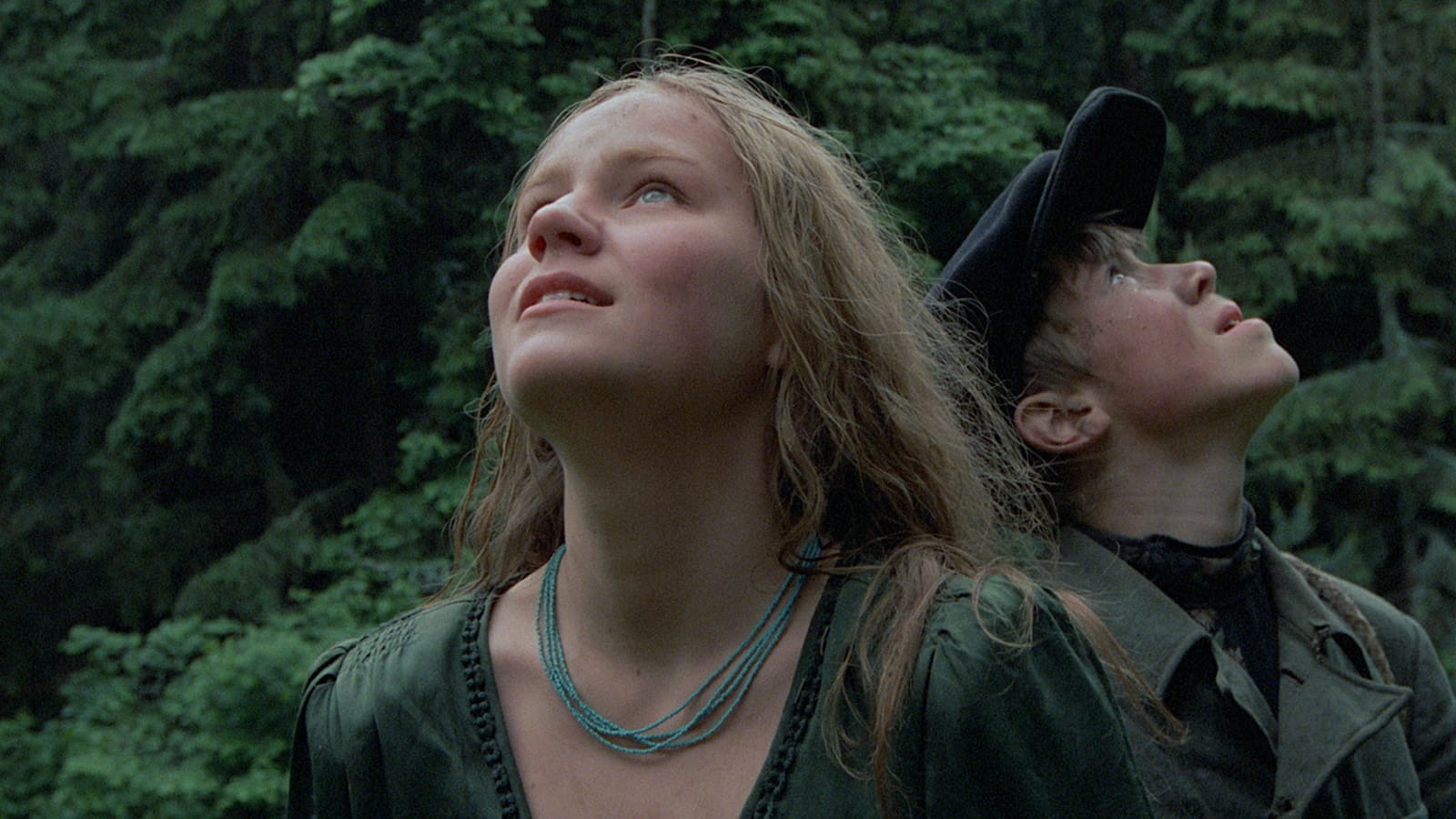
There’s never been a movie more horrific, nightmarish and grim than Come and See, a 1985 Soviet antiwar parable that is as effective as it is apocalyptic. It’s a horror film that feels like a documentary. Essential viewing, if you have the stomach for it.
Directing:
Elem Klimov famously stated that he lost interest in making films after Come and See, as he had completed everything that he set out to do. It’s an honorable sentiment: Come and See is certainly a masterpiece of the craft, with no other war film before or since being so convincing. Klimov mixes gorgeous surrealism with savage hyperrealism to create an all-encompassing vision that depicts war in all its overpowering brutality.
The film is unsparing, unflinching and uncompromising — Come and See makes you feel like you are witnessing war crimes in real time. At times, the punishment is almost too great, but that’s why the film is so convincing. At 142 minutes of unrelenting terror, it feels like we’ve lived a lifetime when it’s all over. And because the film is so convincing, it stays in our heads long after the end credits: the nightmare of human atrocities is never over.
Acting:
Aleksei Kravchenko plays the simple-minded boy Flyora, who is initially excited for war but quickly falls into a neverending nightmare. We follow his point of view for the entire film, and Kravchenko does a great job of making our “hero” quite unsympathetic (i.e., unemotional). We see unspeakable horrors through his eyes, but he is merely a vessel for us to view the unthinkable. By the end, he barely even talks, and his face is petrified in a permanent silent scream worthy of Edvard Munch.
The other actors and actresses — from the nameless Nazis to the innocent Belarusian waif, Glasha — all play their roles so convincingly that the film sometimes feels like a voyeuristic documentary. Unlike all other war films, Come and See is driven by its anonymity.
Writing:
Klimov wrote the screenplay with writer/veteran Ales Adamovich, basing it off the true accounts of pillaged Belarusian villages during World War II. Sure, some elements of the film are purely cinematic, like Flyora and Glasha’s claustrophobic trek through the bog, but other scenes — like the endless rape and genocide of the Perekhody townspeople — are so real that you must look away. The progression of Come and See is appropriately dreamlike because the war crimes depicted can only be described as unreal. Horrors like this must only exist in movies, right?
Music:
The soundtrack by Oleg Yanchenko is a droning dirge of organs and ambient tones — sometimes chaotic, sometimes eerily beautiful. It reminds me of the best bits from Pink Floyd’s Ummagumma (that’s a compliment). At times, snatches of Wagner, Strauss and Russian folk songs join the cacophony. At the end, Come and See finishes with Mozart’s serene Lacrimosa — a brief glimmer of hope in a world too cruel for comforting sounds.
Ending (SPOILERS):
The ending of Come and See is particularly artful and ambiguous. After Flyora has seen all manner of crimes against humanity for the duration of the movie, he comes across a framed picture of Adolf Hitler on the ground. He shoots at it repeatedly. With each bullet, an all-engulfing, Sergei Eisenstein-influenced montage of real WWII documentary footage plays in reverse, going back in time to the beginning of the Nazi regime and all the way to a portrait of infant Adolf in his mother Klara’s arms. It is here that Flyora stops shooting. He’s unable to fire at the photograph, but why?
It could be that to “kill” a baby would make him no worse than the genocidal Nazis themselves, or it could be a bleak reminder that the past cannot be undone. Either way, he re-joins the Soviet troops as they venture to the next snowy battle, with Mozart’s Lacrimosa playing sardonically over the end credits. It’s a fantastic ending that stays true to the bleak nature of the film.
“To love… To have children…” – Flyora
Why Come and See gets an A
Scracthes the same violently surreal itch as Swans’ Soundtracks for the Blind (1995), Lynch’s Eraserhead (1977) and Tarkovsky’s Stalker (1979). An existential World War II cinema classic, like Spielberg’s Schindler’s List (1993) and Malick’s The Thin Red Line (1998).
Discover more from Colin's Review
Subscribe to get the latest posts sent to your email.